
Defensible Decisions for Fire & EMS Leaders
Fire and EMS leaders are expected to deliver fast, equitable, and reliable service—while navigating staffing shortages, budget constraints, development pressure, and heightened public accountability.
Response time alone is no longer enough. Leaders must understand where risk truly exists, how resources perform under real conditions, and whether decisions will withstand scrutiny from councils, auditors, unions, and the public. Command Post Fire Analytics uses advanced analytics and modeling platforms, including Levrum, Code3 Strategist to evaluate fire station placement, deployment strategies, and response coverage.
We provide the analysis, perspective, and decision support leaders need to act with confidence.
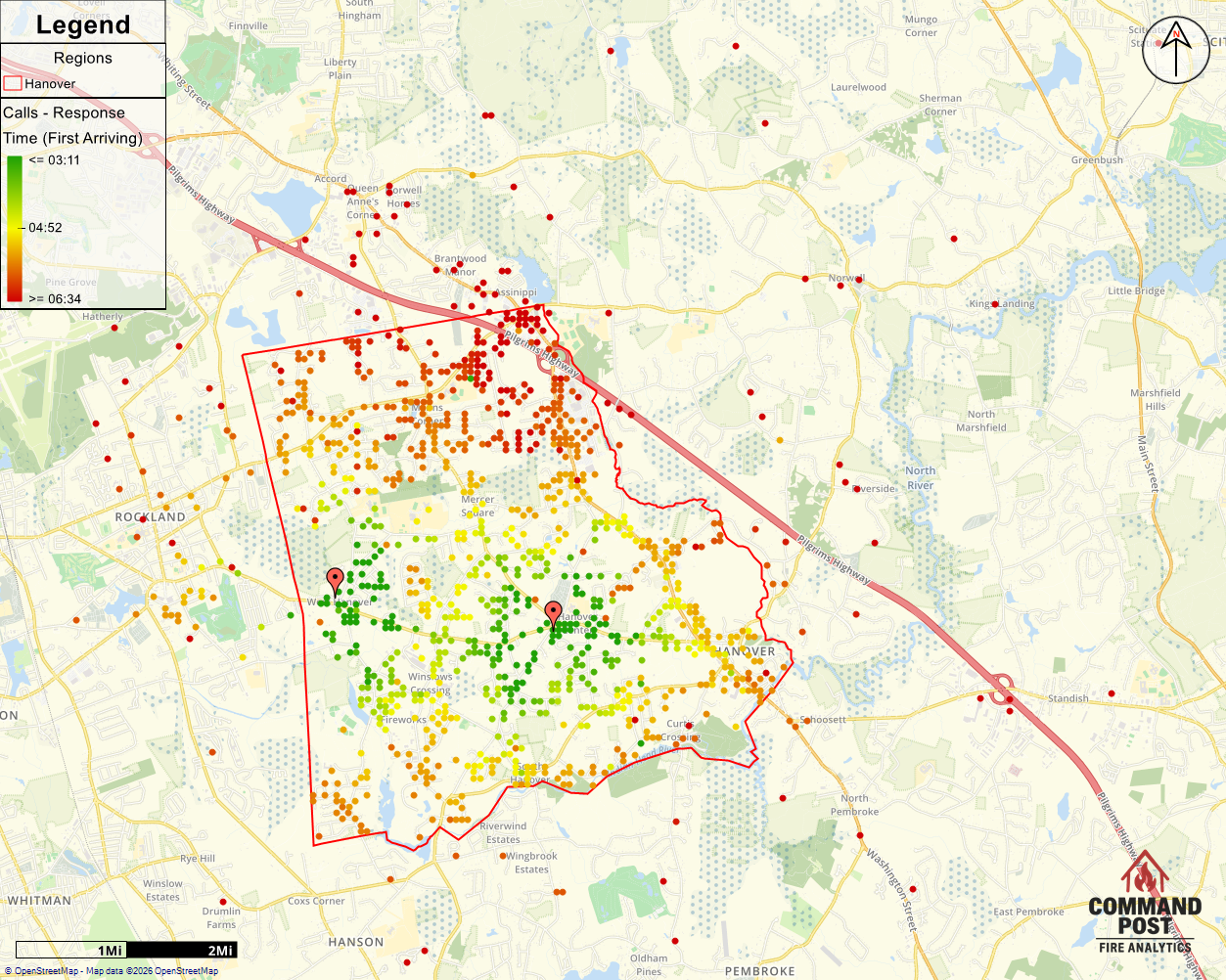
How We Help Fire & EMS Leaders Make Defensible Decisions
Our work is structured to support Standards of Cover development, accreditation documentation, and defensible deployment decisions
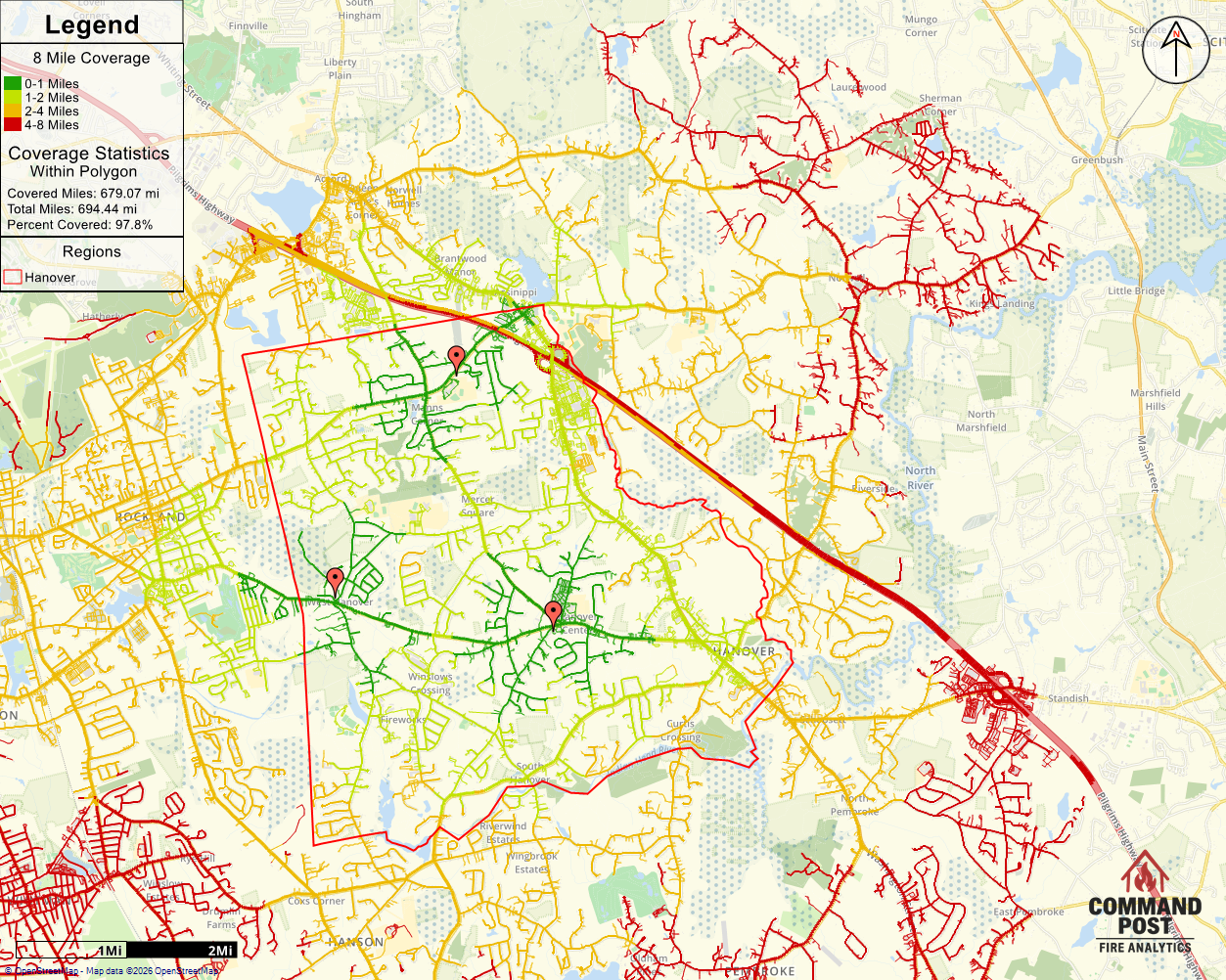
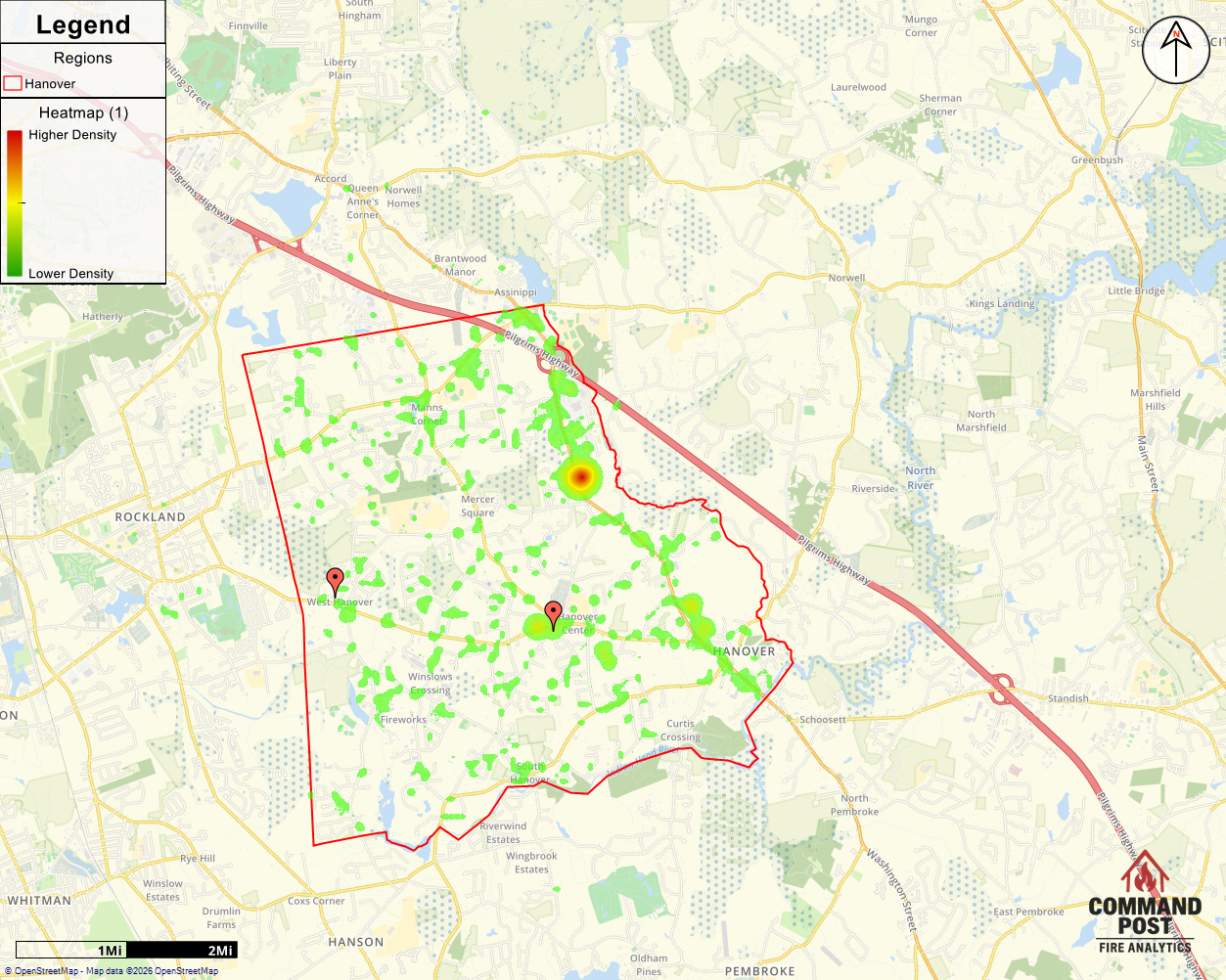
Operational Risk & Coverage Analysis
We evaluate how effectively fire and EMS resources cover community risk—identifying gaps, redundancies, and vulnerability that may not appear in simple averages.
Response Time & Deployment Modeling
.Using historical call data and advanced simulation, we assess current performance, construct standards-aligned response force measures, and evaluate how changes in staffing, stations, or apparatus impact outcomes and compliance objectives.
Station Location & Capital Planning
Evidence-based analysis to support station placement, relocation, consolidation, or expansion—designed to withstand public, political, and financial scrutiny.
Apparatus & Resource Optimization
Strategic evaluation of vehicle types, placement, and utilization to ensure the right resources arrive when and where they’re needed most.
Staffing & Scheduling Assessments
Analysis of staffing configurations, overtime impacts, and shift structures—balancing service delivery, workforce sustainability, and fiscal responsibility.
Future Growth & Demand Forecasting
Long-range projections incorporating population trends, land use, and development patterns to support proactive planning—not reactive fixes.

Meet the Founder
Command Post Fire Analytics was founded to help fire and EMS leaders navigate complex operational decisions with clarity and confidence. Our work is informed by senior-level fire service leadership experience, risk management principles, and a deep understanding of how public safety decisions are evaluated beyond the firehouse.
We understand that every recommendation carries operational, financial, political, and human consequences—and we approach each project with that responsibility in mind.
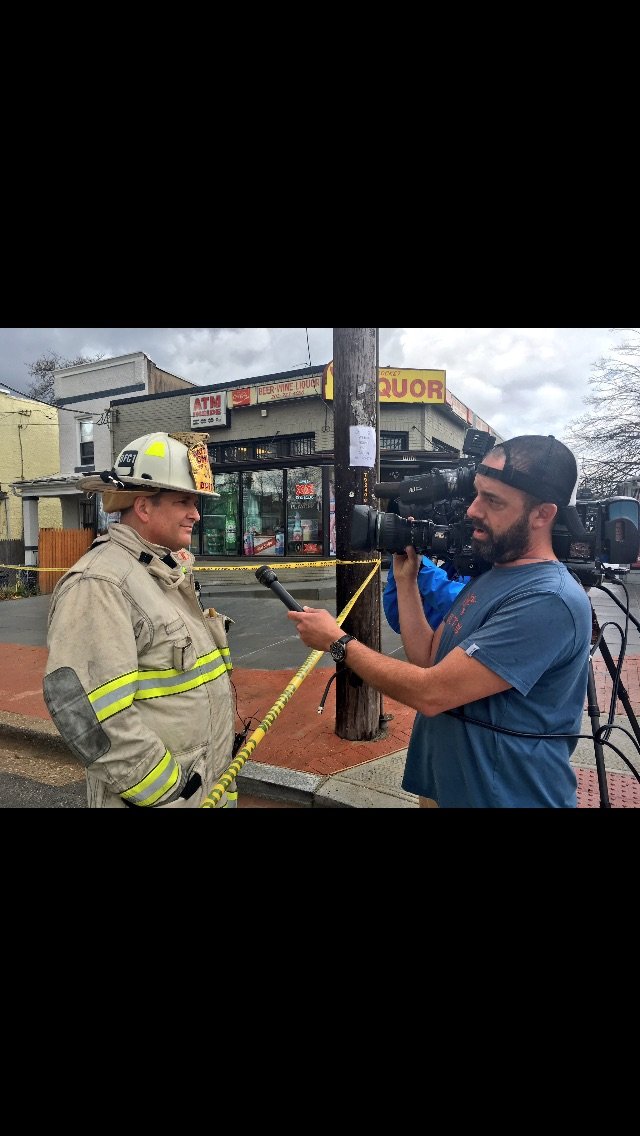
Raymond Gretz is a retired Deputy Fire Chief from Washington, D.C., with senior leadership experience in one of the nation’s largest and most complex fire departments. He holds a Master’s degree in Homeland Security from the Naval Postgraduate School and is a graduate of the Executive Fire Officer (EFO) Program.
With more than a decade of fire management consulting experience, he specializes in helping fire and EMS leaders translate data into clear, defensible operational decisions.
Contact Us
Interested in working together? Fill out some info and we will be in touch shortly. We can’t wait to hear from you!